


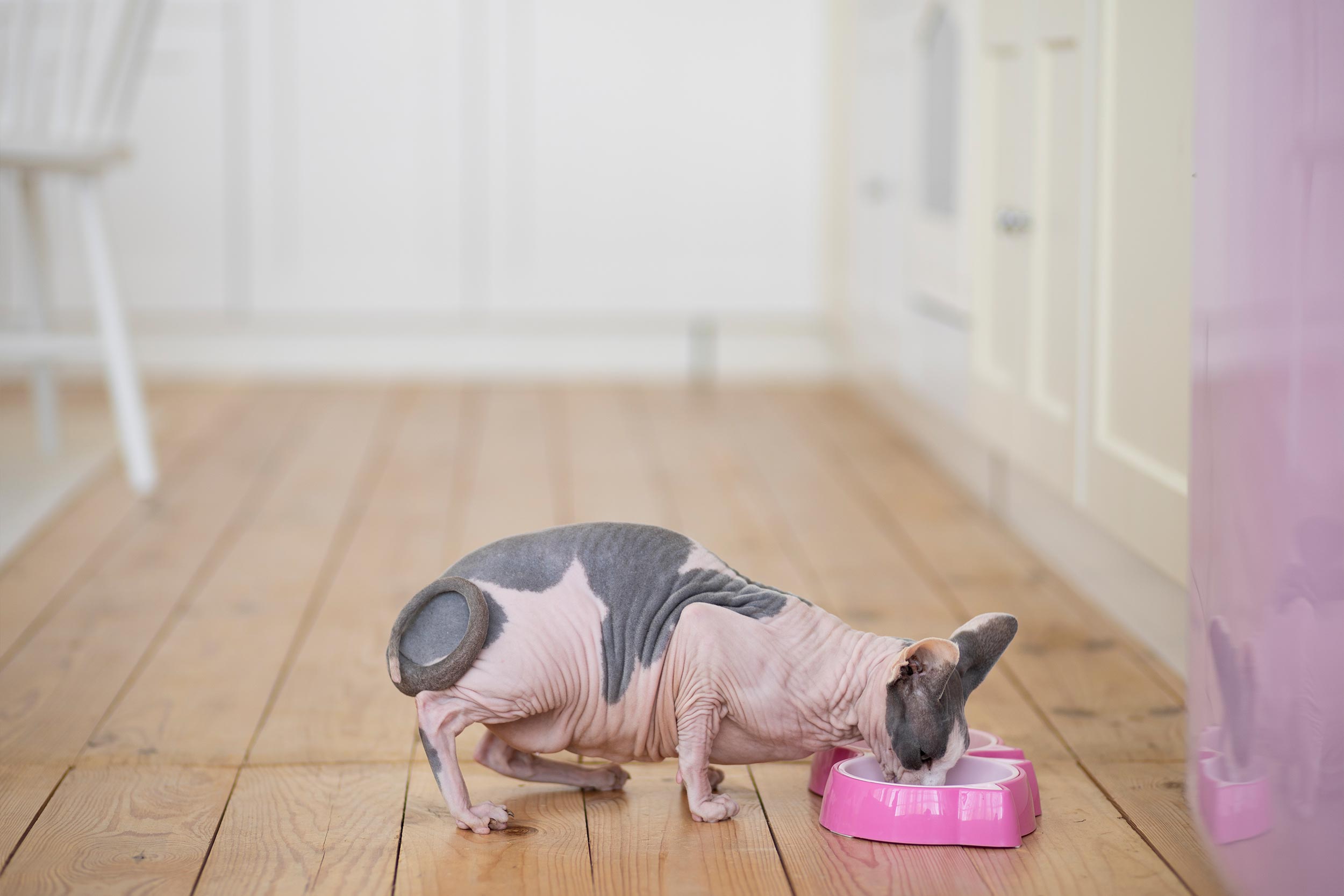
The Feline Food Critic
Anyone who has owned a cat knows the frustration: You buy a case of the expensive, high-quality food they devoured yesterday, and today, they look at it, look at you with disdain, and walk away.
Feline pickiness is legendary. While a sudden, complete loss of appetite requires immediate veterinary attention (as it can be a sign of illness and leads to serious liver complications in cats quickly), chronic “fussy eating” is often a behavioral or environmental issue.
Cats are not being stubborn just to annoy you. Their eating habits are governed by deeply ingrained instincts and physical sensitivities. Understanding these facts can help you turn your picky eater into a satisfied diner.
Fact 1: Cats are Neophobic
Unlike dogs, who are often eager scavengers willing to try anything, cats are naturally neophobic—meaning they have an instinctive fear of new things, including new foods.
In the wild, this protects them from eating toxic or spoiled prey. In your kitchen, it means they might reject a new flavor, a new brand, or even a new shape of kibble simply because it is unfamiliar.
-
The Strategy: Any food transition must be excruciatingly slow. Mix a tiny amount of the new food into the old food, gradually increasing the ratio over 10-14 days.
Fact 2: Texture and Temperature Matter
A cat’s preference for food texture (paté, chunks in gravy, shredded, or dry kibble) is often solidified during kittenhood. If a cat was raised strictly on dry kibble, they might not recognize wet paté as “food” later in life. Furthermore, cats generally prefer their food at “mouse body temperature” (around 100°F or 38°C), as it mimics fresh prey and enhances the aroma.
-
The Strategy: If you are feeding wet food straight from the fridge, it is likely too cold and lacks smell. Try warming it very slightly (stir thoroughly to avoid hot spots) or adding a tablespoon of warm water. Stick to the texture profile they already prefer when trying new brands.
Fact 3: Whisker Fatigue is Real
A cat’s whiskers are incredibly sensitive, highly tuned sensory organs. If their food bowl is deep and narrow, their whiskers will constantly brush against the sides while they eat. Over time, this constant stimulation can cause sensory overload and discomfort, known as “whisker fatigue.” The cat will pull food out of the bowl onto the floor or refuse to eat the food at the edges.
-
The Strategy: Ditch the deep bowls. Serve your cat’s meals on a wide, shallow dish or a flat plate so their whiskers remain untouched while they eat.
Fact 4: Location, Location, Location
Cats are vulnerable when they eat. If their bowl is in a high-traffic area, near a noisy appliance, or right next to their litter box (would you want to eat in your bathroom?), they may feel too stressed to eat comfortably.
-
The Strategy: Move the feeding station to a quiet, low-traffic, and safe location away from the litter box and water bowl (many cats prefer their food and water separated).
The Importance of Tracking Fussy Habits
When dealing with a picky cat, data is your best friend. Did they eat the chicken paté but reject the chicken shreds? Did they eat better off the new flat plate?
Relying on memory, especially in a household with multiple people feeding the cat, makes it impossible to find the pattern. Download ifedthepet.app today. Use the app to log not just that they were fed, but what they were fed and how much they actually consumed. This data will quickly reveal your cat’s true preferences and help you establish a stress-free feeding routine.
