


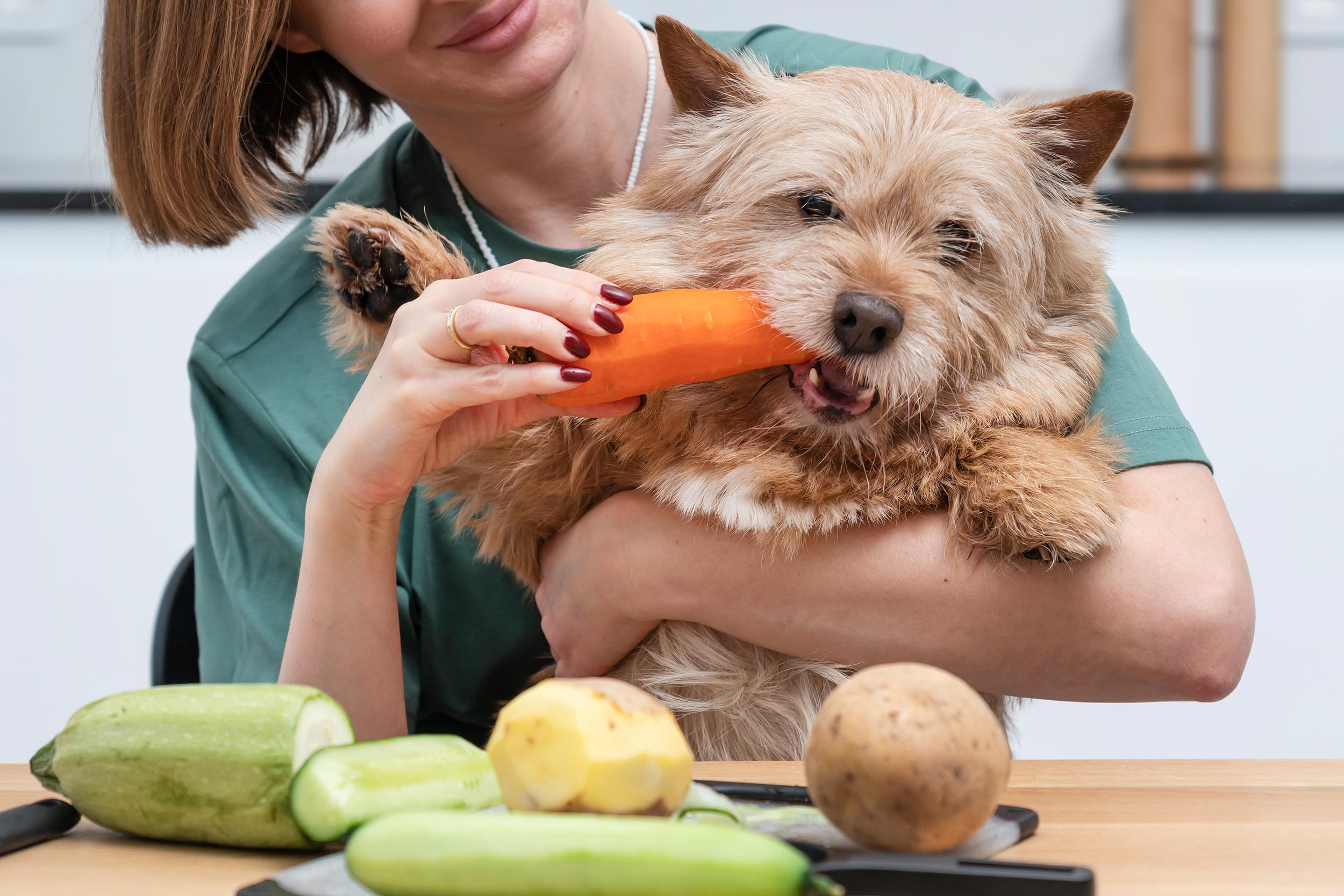
Rethinking the Dog Treat
As pet owners become more aware of the dangers of pet obesity (and the high calorie counts in many commercial treats—see Article 16), many are looking for healthier alternatives. If you want to reward your dog, give them something to chew on, or just share a snack without guilt, the produce aisle is a fantastic place to start.
Many dogs love the satisfying crunch and natural sweetness of fresh vegetables. Swapping out high-fat, processed biscuits for dog-safe veggies is an excellent way to keep their weight in check while still making them feel special.
However, it is crucial to know what is safe and how to prepare it, as dogs process certain compounds very differently than humans.
The Safe List: Vet-Approved Vegetables
The following vegetables are generally considered safe and healthy for dogs when offered in moderation as a treat:
-
Carrots: An absolute favorite for many dogs. They are low in calories, high in fiber, and the crunch is great for their teeth. They can be served raw or cooked.
-
Green Beans: A powerhouse low-calorie snack. They can be given raw, steamed, or even frozen (which dogs love on a hot day). Crucial note: Only use plain green beans; never use canned beans with added salt or spices.
-
Cucumbers: Perfect for overweight dogs. Cucumbers are primarily water, making them incredibly low in calories and carbohydrates while providing a refreshing crunch.
-
Bell Peppers: Any color is fine, though red is often the sweetest. Remove the stem and all seeds, and slice them into bite-sized pieces.
-
Celery: Safe and very low calorie, but due to its stringy nature, it should be chopped into small, bite-sized pieces to prevent a choking hazard.
Preparation Rules (The Facts)
-
Plain is Mandatory: Dogs do not need (and cannot process well) butter, salt, garlic, onions, or seasonings. Always serve vegetables completely plain.
-
Size it Right: Always cut vegetables into appropriate, bite-sized pieces for your specific dog to prevent choking, especially with hard items like raw carrots.
-
Moderation: Even healthy vegetables should follow the 10% treat rule. Too much fiber too quickly can cause gastrointestinal upset (gas or diarrhea).
What to Strictly Avoid
As covered in our toxicity article, never give your dog onions, garlic, leeks, or chives. You should also avoid raw potatoes and wild mushrooms.
Track the Snacks
Introducing new foods, even healthy ones, should be done gradually to monitor your dog’s digestion. If multiple people in the house are handing out baby carrots, you still need to know how much volume the dog is consuming.
Download ifedthepet.app to log these healthy snacks. Keeping a record helps you track what your dog digests well, ensures the whole family is using the safe list, and maintains a perfect view of their daily intake.
