


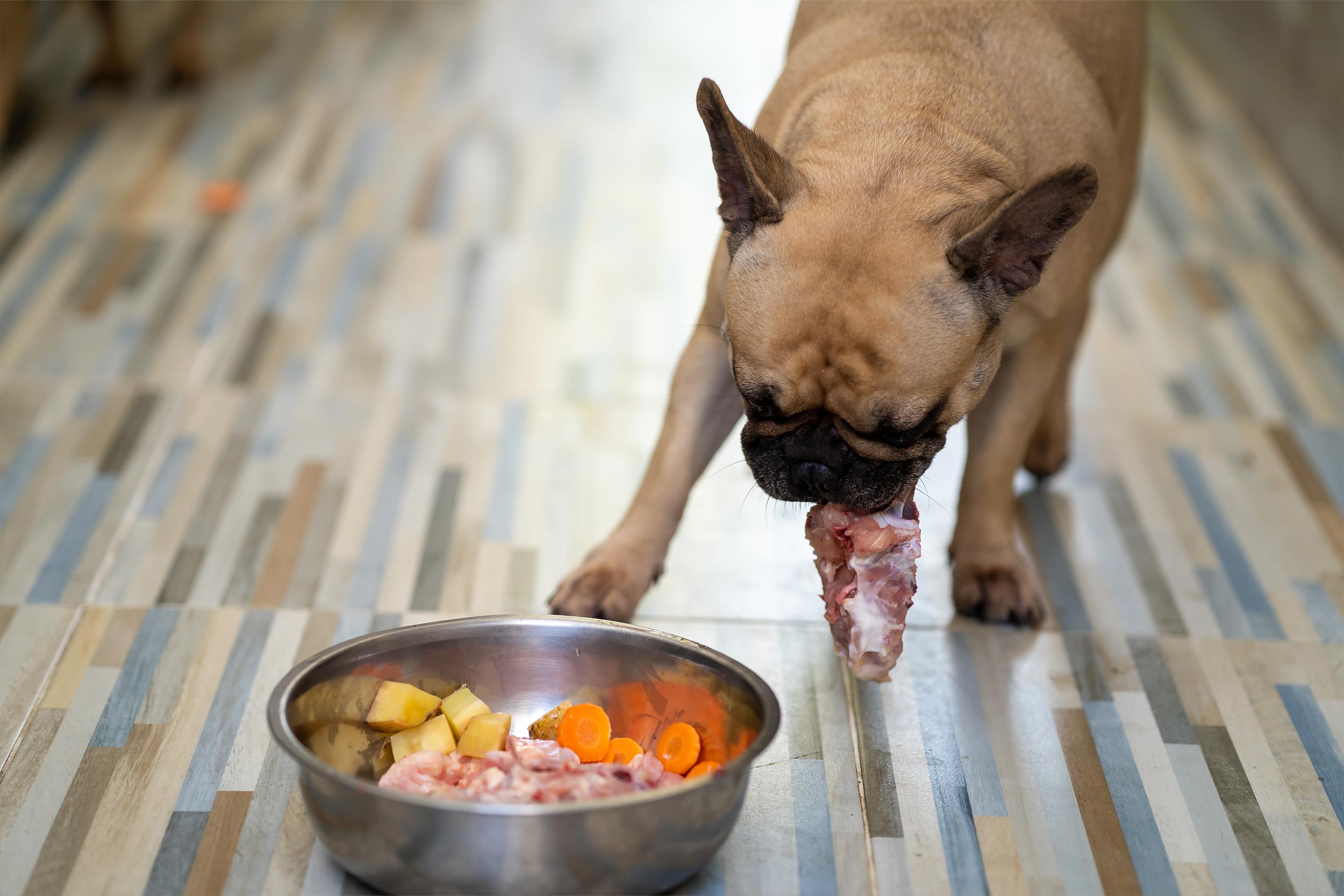
The Rise of the Raw Diet
In recent years, there has been a significant surge in interest regarding raw food diets for pets, often referred to as BARF (Biologically Appropriate Raw Food or Bones and Raw Food) or PMR (Prey Model Raw). Proponents of these diets argue that eating uncooked meat, bones, and organs is more in line with the evolutionary history of dogs and cats, leading to superior health.
However, the raw feeding debate is highly polarized. While enthusiastic pet owners share glowing anecdotal reports, major veterinary and public health organizations worldwide express serious concerns about the safety and nutritional completeness of these diets.
If you are considering transitioning your pet to a raw diet, it is crucial to move past the marketing and understand the verified facts, benefits, and risks. This article provides an objective, science-based overview.
Reported Benefits (The Proponent’s View)
It is important to note that most reported benefits of raw feeding are anecdotal. There is currently a lack of peer-reviewed, long-term scientific studies definitively proving that raw diets are superior to high-quality, cooked commercial diets. Proponents frequently cite the following improvements:
-
Shinier Coats and Healthier Skin: Often attributed to higher levels of fresh fat and protein.
-
Cleaner Teeth: Chomping on raw bones is claimed to mechanically reduce plaque (though this carries distinct risks—see below).
-
Higher Energy Levels: Attributed to the absence of processed carbohydrates.
-
Smaller, Less Smelly Stools: Proponents argue that raw food is more highly digestible, leading to less waste.
Critical Risks (The Veterinary and Public Health View)
Major organizations, including the American Veterinary Medical Association (AVMA), the American Animal Hospital Association (AAHA), the CDC, and the FDA, have issued formal statements discouraging the feeding of raw animal proteins to pets due to documentable risks:
1. Bacterial Contamination (Salmonella, E. coli, Listeria) Fact: Multiple studies confirmed that a significant percentage of raw pet food samples (both commercial and homemade) test positive for dangerous bacteria. While dogs and cats have robust digestive systems that may tolerate these bacteria, they become “shedders,” passing the pathogens in their feces and saliva. This poses a severe public health risk to humans in the household, especially children, the elderly, or anyone with a compromised immune system.
2. Nutritional Imbalance Fact: Creating a “complete and balanced” raw diet at home is extremely difficult. Studies of homemade raw diet recipes frequently find them deficient in critical nutrients like calcium, phosphorus, or vitamin E, or having incorrect ratios. Nutritional imbalances can lead to serious, long-term health issues, especially in growing puppies or kittens.
3. The Danger of Whole Bones While raw bones are softer than cooked ones, they still present verified risks:
-
Dental Fractures: Dogs can easily break teeth on hard bones.
-
Choking/Obstruction: Bones can get lodged in the esophagus or intestines, requiring emergency surgery.
-
Perforation: Sharp bone fragments can puncture the stomach or intestinal lining.
Conclusion: Consult an Expert
If you are determined to explore raw feeding, do not go it alone. Consult with a board-certified veterinary nutritionist (not just a general practice vet) who can help create a balanced recipe specific to your pet’s needs or recommend a high-quality, HPP (High-Pressure Pasteurization) commercial raw option that minimizes bacterial risk.
If You Try Raw, Tracking Reaction is Key
If you choose a raw diet, tracking its effect is vital. Note coat quality, stool consistency, and energy levels. More importantly, in a multi-person household, coordination is critical to prevent overfeeding this calorie-dense food.
Download ifedthepet.app today and create the ultimate coordination tool for your home. Ensure everyone logs every raw meal instantly, preventing accidental double-feeding and providing a clear history of consistency.
