


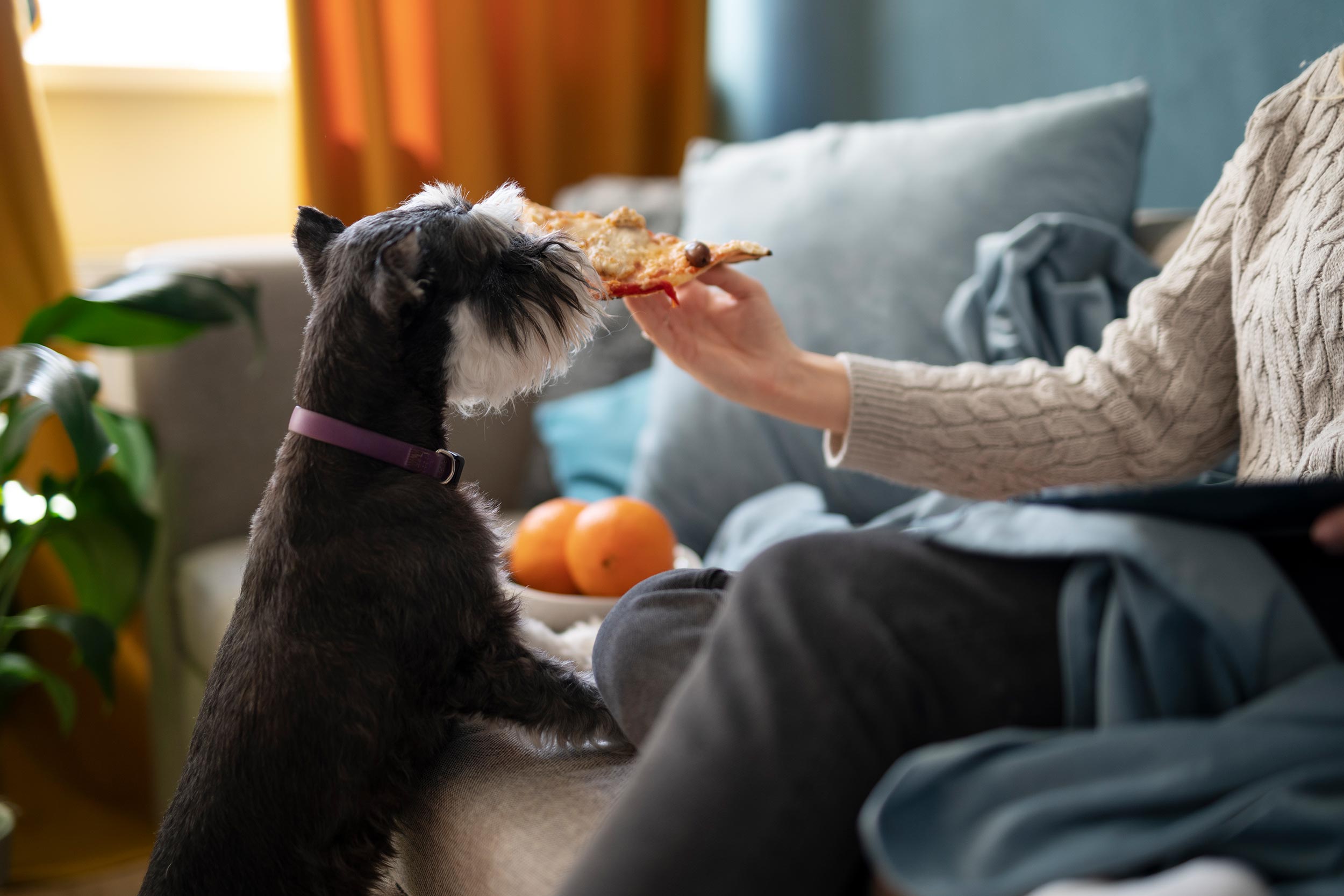
The Dangerous Lure of the Dinner Table
It’s an almost universal experience: you are sitting at the dinner table, and your pet is giving you “the eyes.” They look adorable, they are being patient, and you feel guilty enjoying your meal while they have a bowl of bland kibble.
The temptation to share “just a small bite” can be immense.
However, veterinary medicine confirms that many common human foods that are perfectly safe for us are strictly toxic to dogs and cats. This is not about digestive sensitivity or allergies; it is about different physiological pathways and the inability of pets to process certain chemicals. What is a treat for you can be a poison for them. This article provides a verified, factual list of common human foods that you must never share.
The “Do Not Share” Toxic Food List (Facts)
1. Chocolate (All Types) The classic example. Chocolate contains theobromine and caffeine, which dogs and cats metabolize very slowly. Even small amounts can cause vomiting and diarrhea. Larger amounts can lead to heart arrhythmias, seizures, and even death. The darker the chocolate, the more toxic it is.
2. Grapes and Raisins (Unique to Dogs) Fact: Grapes and raisins contain an unknown toxin that can cause rapid, acute kidney failure in dogs. While some dogs seem unaffected, others are highly sensitive, and even a single grape can be dangerous. There is no “safe” amount. Cats are not known to be sensitive, but it is not recommended for them either.
3. Onions, Garlic, Chives, and Leeks (Allium Species) These common ingredients contain N-propyl disulfide, which can damage a pet’s red blood cells, leading to a condition called hemolytic anemia. Cats are particularly sensitive, but dogs are also at high risk. Toxicity can occur from eating a large amount at once or consistently eating small amounts over time.
4. Xylitol (Birch Sugar / Sugar Substitute) Fact: Xylitol is extremely toxic to dogs. It is a common sugar substitute found in sugar-free gum, candy, breath mints, certain types of peanut butter, and even some baked goods. In dogs, Xylitol causes a rapid, severe release of insulin, leading to life-threatening hypoglycemia (low blood sugar) within 15-30 minutes. It can also cause severe liver failure. It is less established as toxic for cats, but highly suspected. Always read peanut butter labels before sharing!
5. Alcohol Alcohol has the same effect on pets as it does on humans, but it requires vastly smaller amounts. It can cause dangerous intoxication, respiratory depression, vomiting, and a hazardous drop in blood sugar. Ethanol poisoning is a genuine emergency.
6. Caffeine (Coffee, Tea, Soda) Like theobromine in chocolate, caffeine is a stimulant that can cause dangerous heart palpitations, tremors, and seizures in pets.
When in Doubt, Do Not Share
This list represents the most common, strictly toxic human foods. There are many other items (like milk, rich fats, or macadamia nuts) that can cause significant illness but are not considered “toxins” in the same sense.
The safest rule is simple: Do not share human foods unless you are 100% certain they are safe for your specific pet.
History is Vital if Dietary Indiscretion Occurs
If you suspect your pet has eaten something toxic, immediate veterinary attention is vital. When you arrive at the clinic, your veterinarian needs a clear, precise dietary history. Knowing exactly what, when, and how much they typically eat helps rule out other issues. A digital logging tool like ifedthepet.app provides this history instantly. Download ifedthepet.app today and help bring consistency and clarity to your pet’s routine, ensuring you have the data you need if an emergency strikes.
