


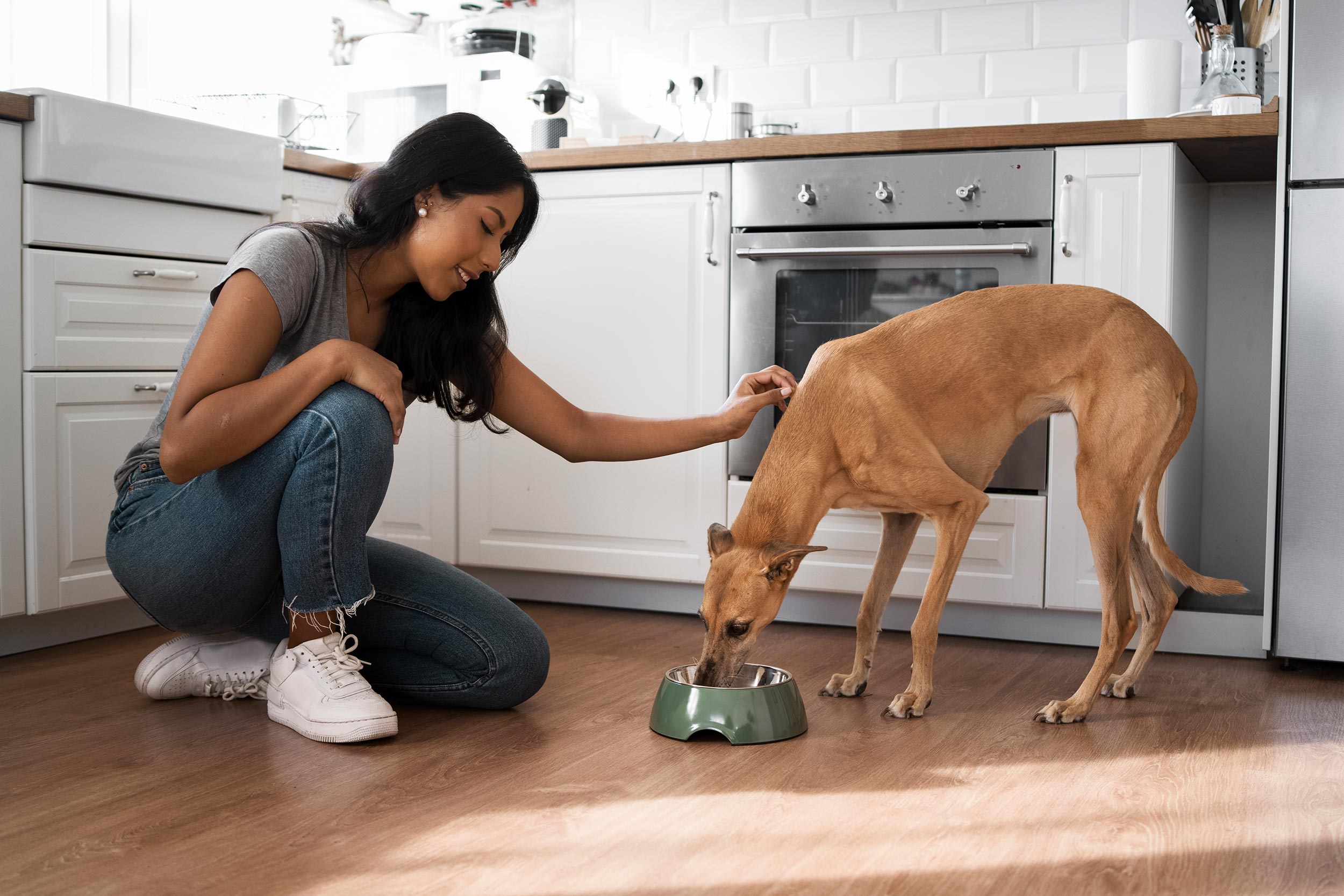
Why Schedules Change
Consistency is the foundation of a healthy pet diet. Our pets thrive on predictability; they often know when mealtime is approaching down to the minute. However, life isn’t static. Our schedules change, and sometimes our pets’ routines must change with them.
Common non-medical reasons for a schedule shift include:
-
Starting a new job with different hours.
-
Daylight Saving Time shifts (Article 1).
-
Moving to a new home.
-
Integrating a new pet caregiver (like a sitter or roommate).
Whatever the reason, if you need to move your pet’s morning or evening meal, you cannot simply do it overnight. This article provides a fact-based guide on how to transition your pet gradually and avoid the common pitfalls of a sudden shift.
The Risk of a Sudden Shift (The Facts)
Sudden changes to a feeding schedule, especially significant shifts of an hour or more, can have negative impacts on your pet’s physical and behavioral health:
-
Digestive Upset: A pet’s digestive enzymes and gut flora become acclimated to processing food at specific intervals. A sudden shift can disrupt this delicate balance, leading to vomiting or diarrhea.
-
Behavioral Stress: Pets associate specific environmental cues (like you waking up, or coming home) with food. When those cues happen and the food doesn’t appear, it causes confusion and anxiety. This can manifest as increased vocalization, destruction, or separation anxiety.
The Proven Method: The Gradual Shift
The solution is to “reset” your pet’s internal clock slowly, usually over the course of one to two weeks. Veterinary behaviorists recommend a progressive, 15-minute shift.
How to Implement the 15-Minute Shift (Step-by-Step):
Goal: You need to move dinner from 6:00 PM to 7:00 PM.
-
Days 1-2: Feed dinner at 6:15 PM. (Maintain this for at least two days).
-
Days 3-4: Feed dinner at 6:30 PM.
-
Days 5-6: Feed dinner at 6:45 PM.
-
Day 7+: Feed dinner at the target time of 7:00 PM.
By stretching the change out, you allow your pet’s digestive system and psychological expectations to adapt without stress.
Precision During Transition Requires Precision in Logging
When you are in the middle of a transition, precision is everything. If multiple people are feeding, “Did you do the shifted time or the regular time?” becomes a complex question. Accidental double-feeding often happens during these transition periods.
This is when a shared digital log becomes invaluable. Download ifedthepet.app today and bring clarity to your household during transitions. By logging the actual feeding time instantly, you ensure the gradual shift is happening precisely as planned and prevent the overfeeding that derails progress.
