


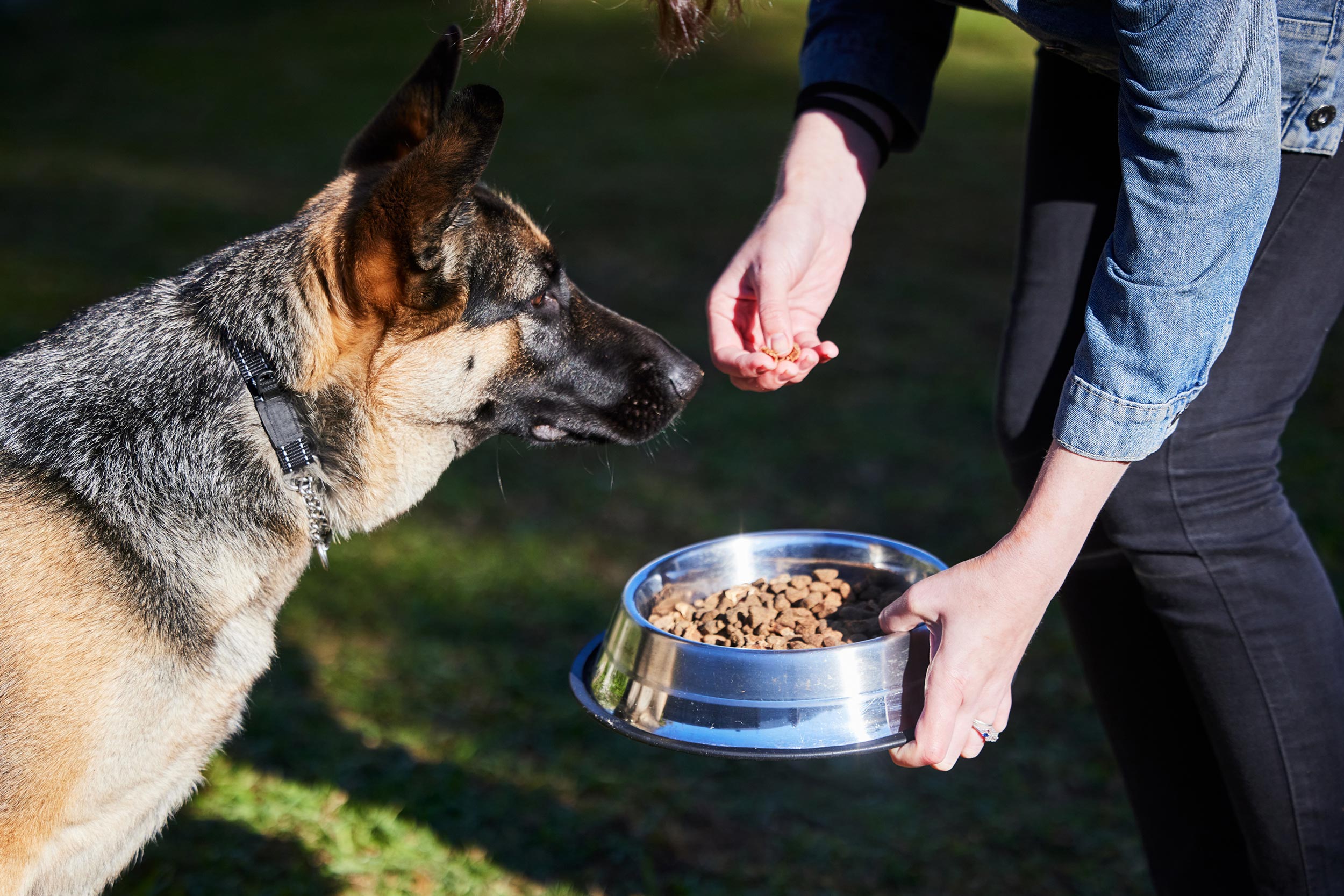
When the Bowl Causes Discomfort
Feeding your pet should be a positive, nourishing experience. However, for a small but significant percentage of dogs and cats, mealtime can be the source of chronic discomfort. Food sensitivities and allergies are increasingly common concerns for pet owners, leading to itchy skin, recurrent ear infections, and digestive upset.
Navigating these issues is complex. Symptoms often overlap with environmental allergies or other medical conditions. Understanding the physiological difference between a food sensitivity and a true food allergy—and knowing the actual, fact-based culprits—is the first step toward finding relief for your pet.
Allergy vs. Intolerance: What’s the Difference? (The Facts)
While the terms are often used interchangeably, veterinary medicine makes a clear distinction:
-
Food Allergy (or Food Hypersensitivity): This is an immune system response. The pet’s body mistakenly identifies a specific food component (usually a protein) as a harmful invader. It creates antibodies against it, leading to symptoms. This reaction happens every time the food is ingested, regardless of the amount.
-
Food Intolerance (or Food Sensitivity): This is a digestive system response. It does not involve the immune system. It occurs when a pet cannot properly digest or absorb a specific ingredient. A classic human example is lactose intolerance. In pets, it often results in gastrointestinal symptoms (vomiting, diarrhea, excessive gas). Intolerance can sometimes be dose-dependent; a small amount might be tolerated, while a large amount causes issues.
Potential Culprits (Verified Data)
Despite common myths, grains (like wheat or corn) are not the primary cause of food allergies in pets. Veterinary studies show the top culprits are actually common animal proteins.
Top Verified Food Allergens in Dogs & Cats:
-
Beef
-
Dairy Products
-
Chicken
-
(Less common) Lamb, Fish, Wheat, Soy, Corn, Egg
Pets become sensitized to these proteins through consistent, long-term exposure. They develop allergies to foods they have eaten successfully for years.
Common Potential Symptoms (Non-Medical Context)
If your pet has chronically itchy skin (specifically on the paws, face, or ears) or recurrent ear infections, that is a common presentation of food allergies. If they frequently vomit, have diarrhea, or have excessive gas shortly after eating, that often points to food intolerance. (Disclaimer: These symptoms can indicate many other medical conditions).
How Veterinarians Diagnosed Food Issues
Fact: There are no reliable blood, saliva, or hair tests that accurately diagnose food allergies or sensitivities in pets. Major veterinary dermatology organizations confirm that the only scientifically validated diagnostic tool is a strict elimination diet trial.
An elimination diet typically involves feeding a “novel protein” diet (a protein source the pet has never eaten before, like rabbit, venison, or kangaroo) or a “hydrolyzed protein” diet (where the protein is medically broken down so small the immune system cannot recognize it). The trial must be perfectly strict for 8-12 weeks, with NO other treats, crumbs, or medications. If symptoms improve, ingredients are slowly reintroduced one by one to identify the specific trigger.
Elimination Trials Require Perfect Coordination
A strict elimination diet is one of the hardest things a pet owner can undertake, especially in a household with multiple caretakers. A single table scrap or a treat from a “head feeder” who forgot the rule can ruin weeks of effort.
Download ifedthepet.app today and create the ultimate coordination tool for your elimination trial. Everyone in the house can log exactly what they are giving, ensuring 100% compliance with the strict protocol. This data is invaluable for your vet when assessing the trial’s success.
