


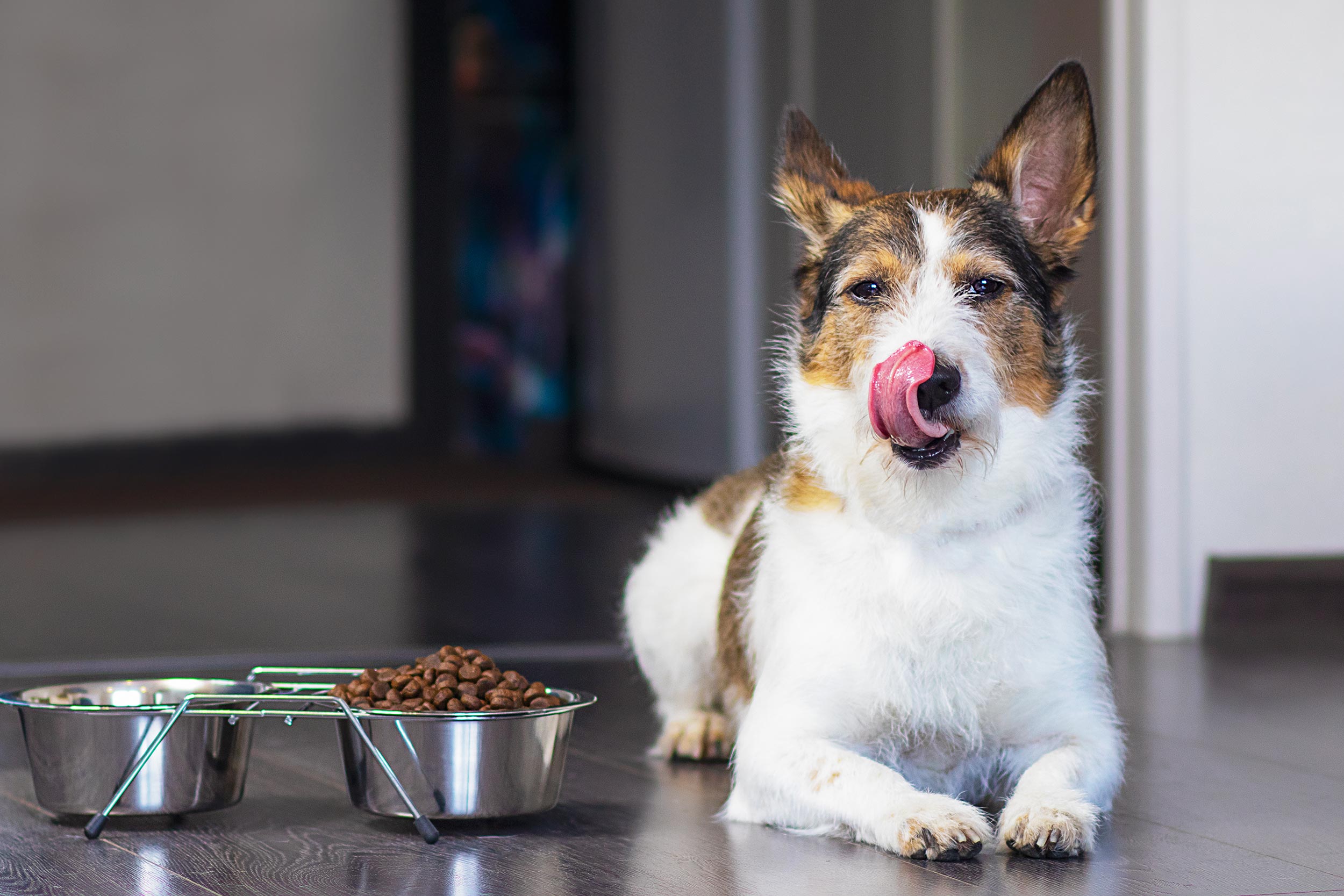
The One-Meal Debate
In the world of pet ownership, there are many established routines. Walk the dog, scoop the litter box, fill the water bowl. But when it comes to how often we fill the food bowl, there is significant variation. While some owners stick to a strict morning and evening routine, others prefer the simplicity of feeding their dog just once a day.
Is feeding once a day a healthy and viable option for your dog?
The short answer is: for some healthy adult dogs, yes. However, modern veterinary nutritional science generally suggests that for the vast majority of dogs, multiple, smaller meals are optimal for physical and behavioral health. This article explores the factors influencing feeding frequency and presents the facts on why a once-a-day schedule may not be the best choice.
Factors that Influence Feeding Frequency
1. Breed Size and Anatomy (Critical Fact) This is the single most important consideration.
-
Large and Giant Breeds: Dogs with deep chests (like Great Danes, German Shepherds, and Standard Poodles) are at a significantly higher risk for Gastric Dilatation-Volvulus (GDV), commonly known as “bloat.” Consuming a single, very large meal can overload the stomach, increasing the risk of this life-threatening condition. Smaller, frequent meals are a primary recommendation to help reduce GDV risk.
-
Toy and Small Breeds: These dogs have very high metabolic rates and small stomachs. They process energy quickly and have very little reserve. Gaps that are too long between meals can lead to hypoglycemia (dangerously low blood sugar), causing weakness or even seizures. They require multiple small meals throughout the day.
2. Age Puppies cannot survive on one meal a day. Their energy demands are immense, and their stomachs are tiny. They typically require 3-4 meals daily, tapering down to 2 as they approach adulthood (Article 2). Senior dogs may also benefit from smaller, more frequent meals as their digestion often slows down.
3. Metabolism and Satiety Feeding just once a day means your dog goes a very long time between meals. This can lead to intense hunger and “scarfing” behavior, which increases the likelihood of vomiting. Smaller, frequent meals help regulate blood sugar levels and keep your dog feeling satisfied, reducing begging behavior.
Why Two (or More) Meals are Usually Better
While it is more work for the owner, feeding adult dogs at least twice a day (morning and evening) offers substantial benefits backed by veterinary research:
-
Better Digestion: Smaller portions are easier for the digestive system to process efficiently.
-
Stable Energy: Regular influxes of calories prevent energy spikes and crashes, maintaining a more stable mood and activity level.
-
Reduced Bloat Risk: (For large breeds) As mentioned above, smaller meals are a key preventative measure.
If You Feed Multiple Times a Day, Coordination is Key
Moving to a multi-meal schedule solves physiological problems, but it introduces a major organizational challenge. If you are feeding twice a day and someone else gives “extra breakfast” because the dog “looked hungry,” you are exponentially increasing the risk of overfeeding.
This is where consistency across the household becomes vital. Download ifedthepet.app today and create the ultimate coordination tool for your multi-meal feeding routine. When everyone logs every meal instantly, you maximize the health benefits of frequent feeding and prevent the accidental overfeeding that leads to obesity.
