


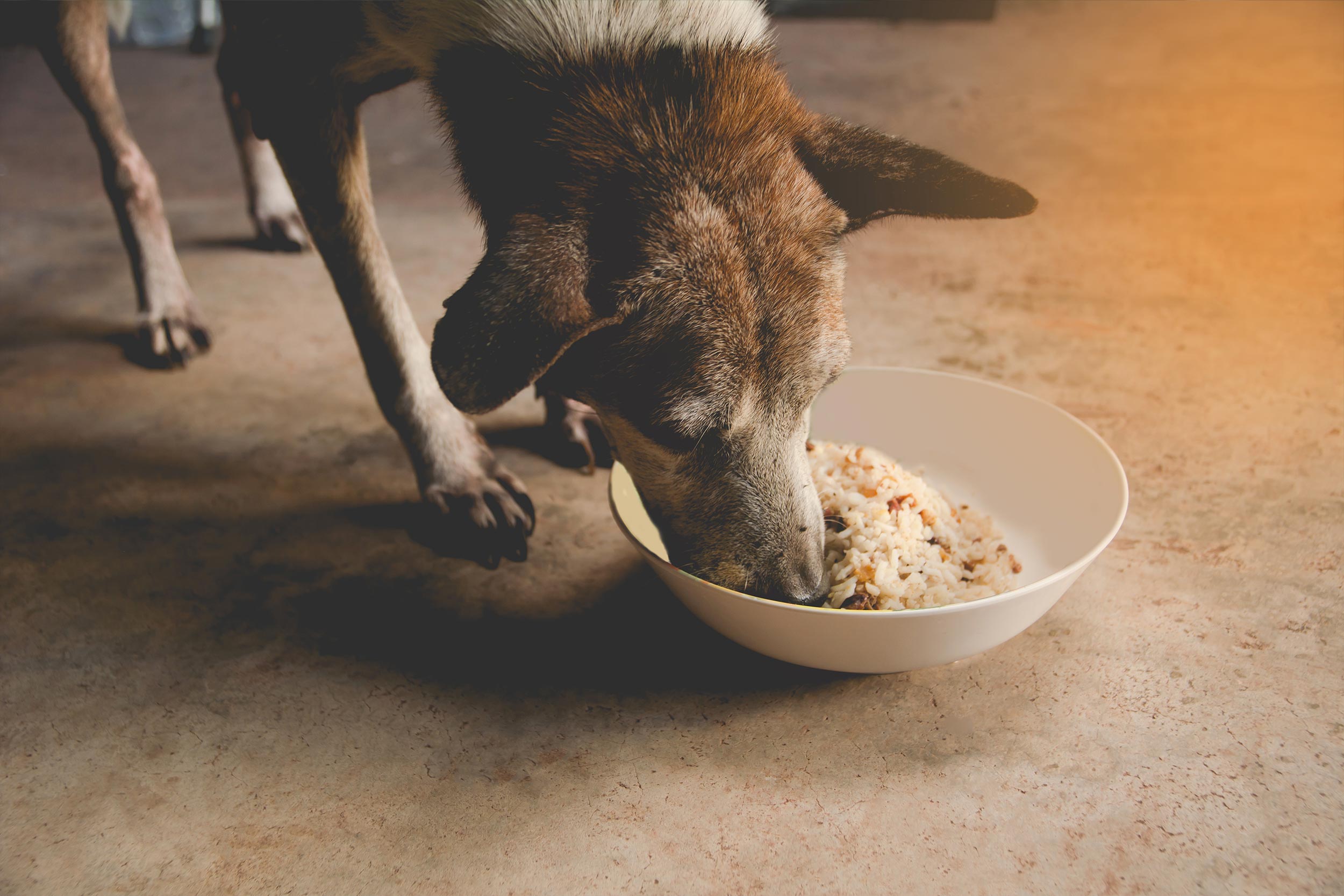
Feeding the Golden Years
Watching your dog transition into their senior years is a privilege. The frantic energy of puppyhood is replaced by a deep, quiet companionship. However, just as their muzzle goes gray and their pace slows on your evening walks, their internal physiological needs are also changing significantly.
Feeding a senior dog is a delicate balancing act. You must provide enough high-quality nutrition to maintain their bodily functions while simultaneously preventing the weight gain that so easily plagues older, less active pets.
Understanding the specific biological facts of canine aging will help you make informed decisions about your senior dog’s diet.
The Biological Facts of Aging Dogs
1. The Metabolic Slowdown As dogs age, their baseline metabolic rate naturally decreases. This means their bodies burn fewer calories simply existing. Combine this with the fact that senior dogs are generally less active—sleeping more and playing less—and their total daily caloric requirement drops significantly.
-
The Risk: If you continue to feed an 11-year-old dog the exact same volume of food you fed them when they were an active 4-year-old, they will inevitably gain fat. Excess weight is catastrophic for senior dogs, exacerbating arthritis and straining aging organs.
2. Sarcopenia (Muscle Loss) This is a critical, often misunderstood concept. As dogs age, they naturally lose lean muscle mass, a condition called sarcopenia.
-
The Risk: A senior dog might weigh the same on the scale as they did years ago, but their body composition has changed—they have lost heavy muscle and gained lighter fat.
-
The Nutritional Need: While older dogs need fewer calories, they often require higher quality, easily digestible protein to help combat this muscle wasting and maintain their strength.
3. Digestive and Dental Changes Older digestive systems may become less efficient at absorbing nutrients. Additionally, senior dogs frequently suffer from dental disease, making hard, large kibbles painful to chew.
How to Adjust Their Diet
-
Consult Your Vet First: Before changing a senior dog’s diet, get a full blood panel. You need to rule out underlying issues like kidney disease, which requires a very specific, low-phosphorus prescription diet, completely altering standard senior feeding rules.
-
Monitor Body Condition Score (BCS): Rely heavily on the visual and physical rib check (Article 4) rather than just the scale, as muscle loss can mask fat gain.
-
Consider Senior Formulas: Quality senior diets are typically lower in calories but fortified with joint supplements (glucosamine/chondroitin), omega-3 fatty acids for cognitive health, and easily digestible proteins.
Managing the Complex Senior Routine
Senior dogs often require a rigid routine. They may need smaller, more frequent meals because their digestion is slower. They almost certainly require daily medications or supplements that must be given with specific meals.
Memory is not a reliable tool for managing a complex senior care protocol, especially if multiple people share the responsibility. Missing a dose of arthritis medication or double-feeding a dog with a sensitive stomach can have immediate consequences.
Download ifedthepet.app to manage your senior dog’s routine perfectly. Use the app to log exact feeding times, monitor weight trends, and ensure every caregiver is completely aligned on the precise care your aging companion deserves.
