


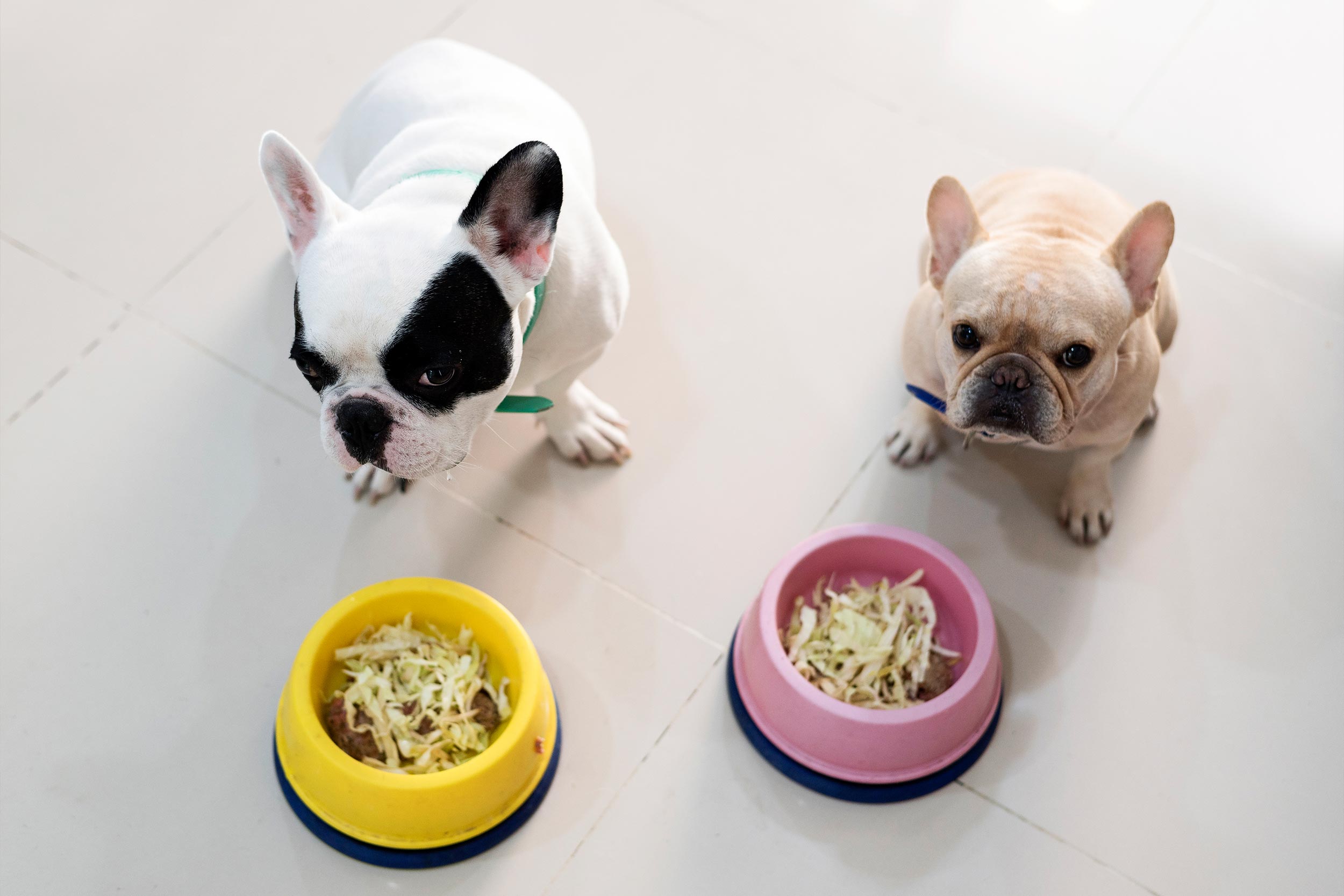
The Diet Food Standoff
Your veterinarian has informed you that your beloved pet needs to lose a few pounds to protect their joints and overall health. You purchase the recommended “healthy weight” or prescription metabolic food, bring it home, fill the bowl, and wait.
Your pet takes one sniff, looks at you in sheer betrayal, and walks away. Now what?
It is incredibly common for dogs and cats to protest a transition to a weight-loss diet. Understanding why they do this, and knowing how to handle the standoff without caving in and ruining the diet, is crucial for your pet’s long-term health.
Why They Hate the New Food (The Facts)
Pet food manufacturers know that humans buy the food, but the pets have to eat it. Standard commercial diets are often coated in animal fats and flavor enhancers (called palatants) to make them irresistible.
-
The Calorie Cut: “Healthy weight” foods achieve lower calorie counts by reducing fat and increasing dietary fiber.
-
The Taste Difference: Less fat means less flavor and a different mouthfeel. To a pet accustomed to a high-fat diet, the new food literally tastes bland and less appealing. It is the equivalent of switching a human from daily cheeseburgers to plain steamed vegetables.
-
The Fiber Factor: The increased fiber is designed to make the pet feel full faster, but it also changes the texture of the kibble, which some pets (especially neophobic cats) dislike.
Safe Strategies to Encourage Eating
If your pet is healthy other than needing to lose weight, a missed meal is not an emergency. However, you want them to accept the new food. Here are safe ways to enhance the meal without adding significant calories:
-
Check Your Transition Speed: Did you switch “cold turkey”? This almost guarantees a hunger strike and digestive upset. Back up and transition slowly over 10-14 days, mixing the old and new food.
-
Add Warmth and Moisture: Warm up the food slightly (to body temperature) to release the aromas. Add a tablespoon of warm water or low-sodium, onion/garlic-free plain chicken broth (check the label carefully!).
-
Tough Love (For Dogs): If your dog is medically cleared, implement the 15-minute rule. Put the measured food down. If they don’t eat it in 15 minutes, pick it up and offer nothing until the next scheduled meal. Healthy dogs will eventually eat when they realize holding out does not result in a better offer.
-
Do Not Top with High-Calorie Treats: Adding cheese, gravy, or large amounts of meat defeats the entire purpose of the diet food.
The Threat of the “Sympathy Feeder”
The biggest threat to a pet’s diet is a sympathetic family member. If the dog refuses the diet kibble, and a teenager feels bad and sneaks them a slice of turkey, the dog has won. They learn that refusing the diet food yields high-value rewards.
Consistency across the household is non-negotiable when a pet is on a diet. Download ifedthepet.app to ensure everyone is strictly adhering to the plan. By logging the exact meals and refusing to allow undocumented “sympathy treats,” your entire household can work together to help your pet reach a healthy weight safely.
