


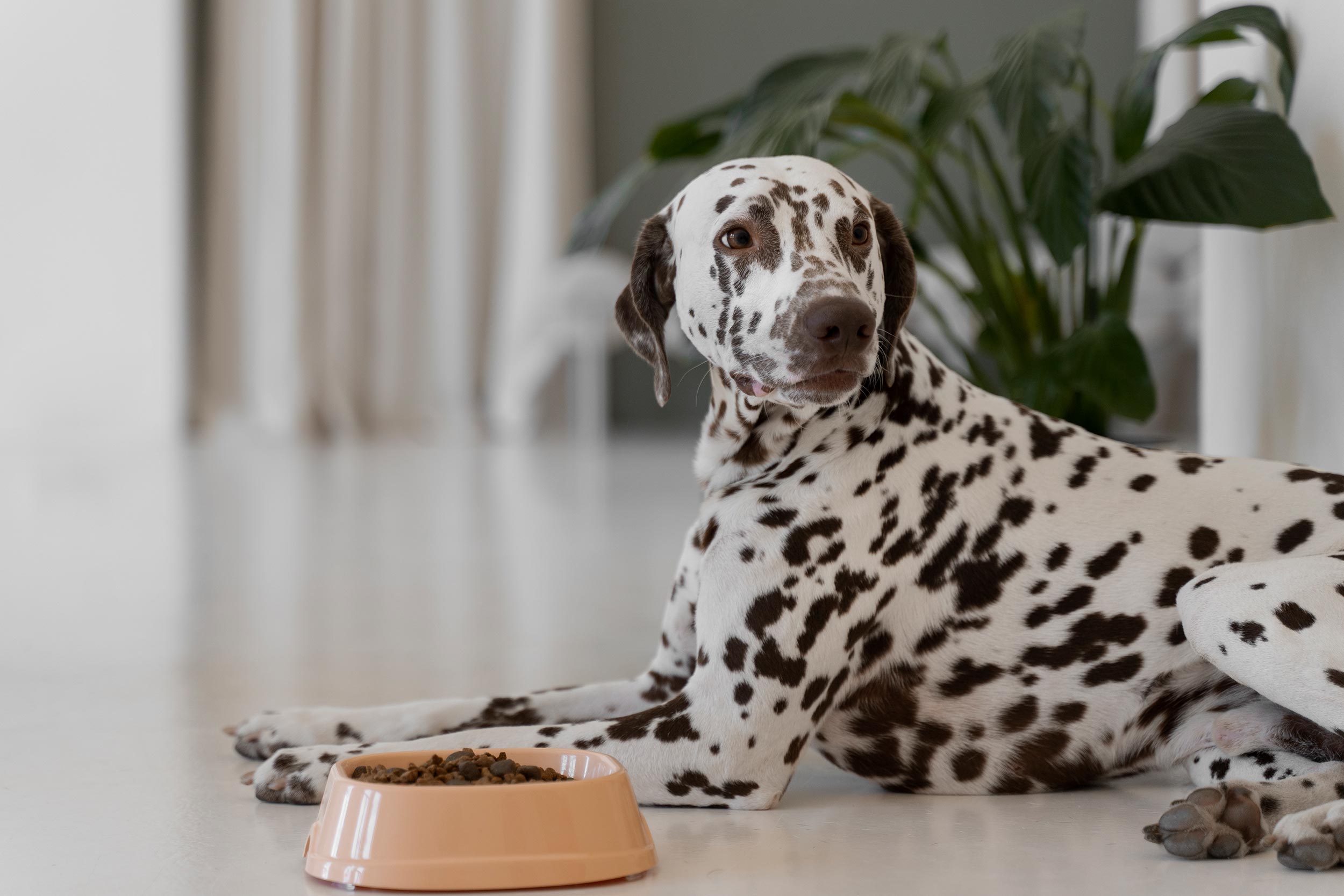
The Worrying Silence of a Missed Meal
It’s dinnertime. The bowl hits the floor, and… your dog just looks at it. They might sniff it, sigh, and then walk away to lie down. This can instantly trigger panic for any pet owner. We associate appetite with health, and a sudden lack of interest in food is often our first clue that something might be wrong.
But before you rush to the emergency clinic, take a deep breath. A temporary change in appetite is extremely common and is frequently rooted in behavioral, environmental, or situational factors, not serious medical issues. This article will help you understand the 5 most common, non-medical reasons your dog might be a “picky eater.”
Important Disclaimer: When is it an Emergency?
If your dog displays any of the following symptoms in addition to not eating, contact your veterinarian immediately:
-
Lethargy, weakness, or inability to stand.
-
Vomiting or severe diarrhea.
-
A swollen, distended, or rigid abdomen (especially in large breeds, this is a potential emergency).
-
Seeming in pain (e.g., panting heavily, unable to get comfortable).
-
Your pet is very young (puppy), very old (senior), diabetic, or has other known pre-existing conditions.
-
The loss of appetite has lasted more than 24-48 hours.
5 Common, Non-Medical Explanations
If your dog seems alert, playful, and normal otherwise, consider these possibilities before panicking:
1. Stress, Anxiety, or Environmental Change
Dogs are creatures of habit and thrive on predictability. Significant changes to their routine can cause stress and a temporary loss of appetite.
-
Scenarios: A recent move to a new house, being boarded at a kennel, a new family member (baby, partner, or other pet), loud home renovations, or a chaotic household during mealtimes.
-
Solution: Be patient. Establish a consistent, quiet feeding area and routine. Appetite often returns as they adapt.
2. A Change in Food or “Healthy Weight” Diet Transition
If you recently switched brands, formulas, or even kibble flavors, your dog may be objecting.
-
The Issue: Dogs have preference and expectation. If the old food was high-fat or high-sodium and the new food is a blander “healthy weight” formula, they may simply dislike the change.
-
Solution: Did you use a gradual transition method over 7-10 days? If not, you may need to backtrack and slow down the process.
3. Too Many High-Value Treats
This is a common behavioral pitfall. If your dog is getting substantial amounts of chicken, cheese, or high-value training treats throughout the day, they are logically not going to be hungry for a blander bowl of kibble. They may also learn that refusing kibble gets them “the good stuff.”
-
Solution: Adhere strictly to the “10% treat rule” and log everything. If you are training, reduce their kibble meals accordingly.
4. Learned Behavior/Picky Eating “Holding Out”
Your dog might have learned that when they turn their nose up at kibble, their human feels guilty and adds delicious meal toppers, warm water, or broth. They are effectively “holding out” for better options.
-
Solution: If medically clear, you must establish firm boundaries. Measure the food precisely, set it down for 15-20 minutes, and then remove it, regardless of if they ate. Wait until the next scheduled meal. Healthy dogs will not starve themselves, and this “tough love” approach re-teaches them that mealtime is kibble time.
5. Recent Vaccination or Minor Post-Illness
If your dog recently received vaccines, they might feel slightly lethargic or have a low-grade fever, leading to a decreased appetite for 24-48 hours. Similarly, if they recently had a minor stomach upset, their digestive system might need a rest before returning to a regular diet.
-
Solution: Offer fresh water and keep them comfortable. Appetite typically returns quickly. If it persists beyond two days, contact your vet.
Log Consistency to Spot Patterns
Understanding your dog’s consistency is key to identifying potential issues early. While temporary, behavioral pickiness is usually not an emergency, a shared digital log like ifedthepet.app can help you track exactly when the meals were missed and, crucially, if multiple caretakers are accidentally contributing by giving “backup” meals or excessive treats.
Use ifedthepet.app to bring clarity and consistency to your household, so everyone knows exactly when and what the pet has had. Download the app today.
