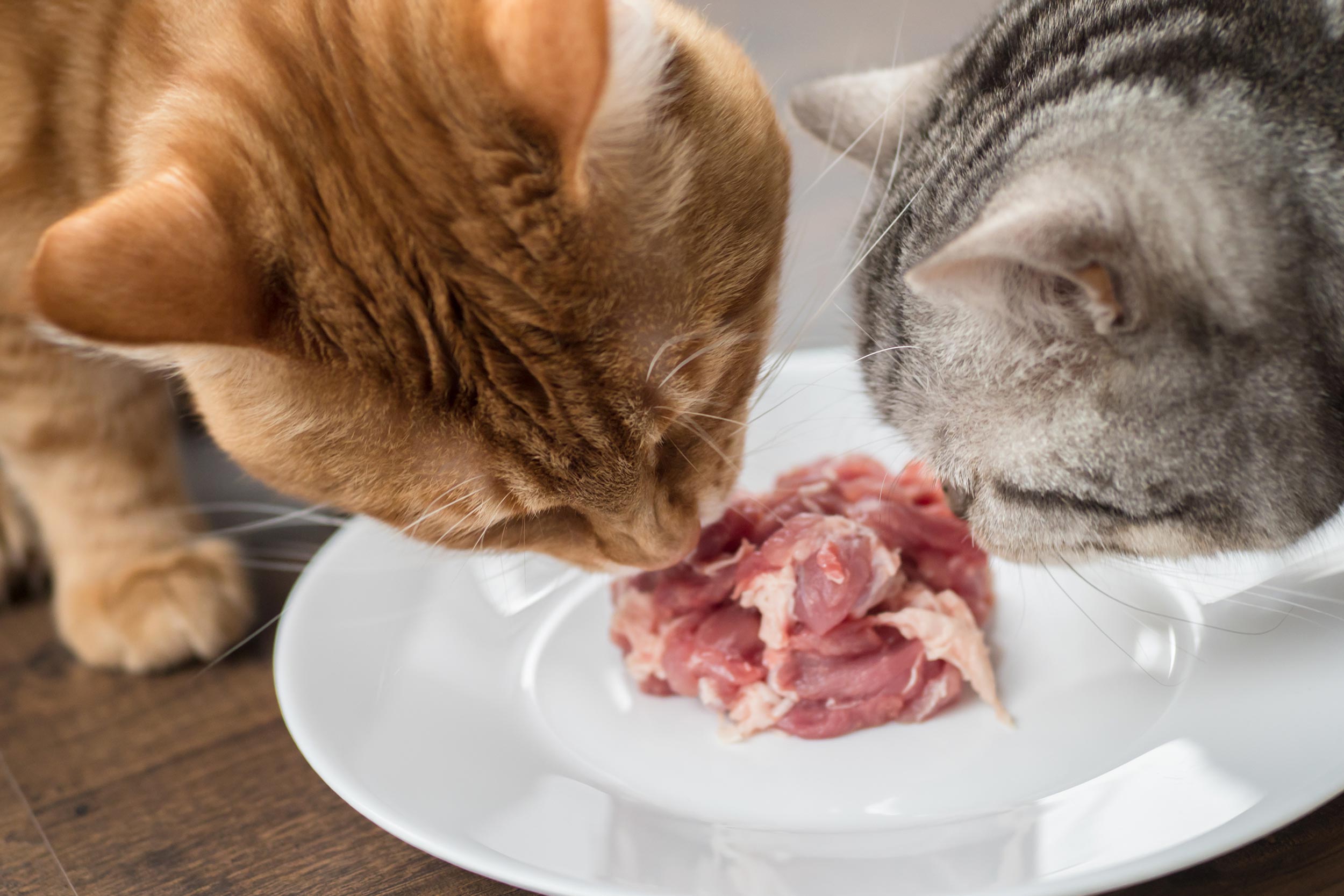
The Pitfall of “Eyeballing It”
When it’s feeding time, many pet owners use a method that can be best described as “casual approximation.” You might grab a plastic cup from the bin, scoop until it looks “about full,” and dump it into the bowl. Or perhaps you rely on a specific coffee mug, or worst of all, just eyeballed it based on how the bowl looks.
While this approach is convenient, it is one of the leading contributors to pet obesity. Consistency is the foundation of a healthy diet, and human perception of volume is notoriously unreliable. What looks like “the same scoop” yesterday can easily be 10-15% more today.
The fix is surprisingly simple, affordable, and scientifically accurate: Stop measuring by volume (cups) and start measuring by weight (grams or ounces) using a digital kitchen scale.
The Problem with Volume Measurements (Facts)
1. Kibble Size and Shape Variance Different types of pet food come in vastly different shapes and sizes (e.g., small discs vs. large stars). This affects how tightly they pack into a measuring cup. Large, irregularly shaped kibble has more air gaps, meaning a “full cup” contains less actual food than a “full cup” of small, round kibble.
2. Settling and Density Just like a bag of cereal, pet food settles during shipping. The food at the bottom of the bag is denser and more tightly packed than the food at the top. A scoop from the bottom might weigh significantly more than the same volume scoop from the top.
3. Human Error and The “Heaping” Scoop A “cup” means level with the top. In reality, most people scoop a “heaping” cup, which can easily contain 25% or more extra food. Slight overfeeding consistently, day after day, adds up. Over a year, an extra 10 calories a day can lead to noticeable weight gain for a small animal.
The Solution: The Case for the Kitchen Scale
Weight measurement eliminates every variable listed above. 100 grams of kibble from the top of the bag is the exact same amount of energy as 100 grams from the bottom of the bag, regardless of kibble shape or how you scoop.
The Benefits of Weighing Food:
-
Ultimate Precision: You ensure your pet receives the exact caloric intake recommended by your veterinarian or the feeding guidelines.
-
Easier Adjustments: If your pet needs to lose weight, it is much easier and more accurate to reduce their meal by “5 grams” than to try and estimate reducing a cup by “one-eighth.”
-
Better Consistency: It takes the guesswork out of feeding, making it identical every time.
Precise Measurement Needs Precise Logging
Using a scale gives you perfect precision, but that precision is wasted if multiple people are feeding the pet without communication. Accidental double-feeding is the ultimate form of overmeasurement.
If you are committed to accurately measuring your pet’s food, commit to accurately logging it as well. Download ifedthepet.app today. When combined with a kitchen scale, you create the ultimate, fact-based system for ensuring your pet is perfectly fed.
Download I Fed the Pet Now!
Stop accidental double feeding, or forgetting to feed the pets.
One tap tells the household the pets have been fed.
Stop confusion & second dinners, keep feeding in sync.